
Dragon Raja: ReRise launched with the new Nibelungen mode
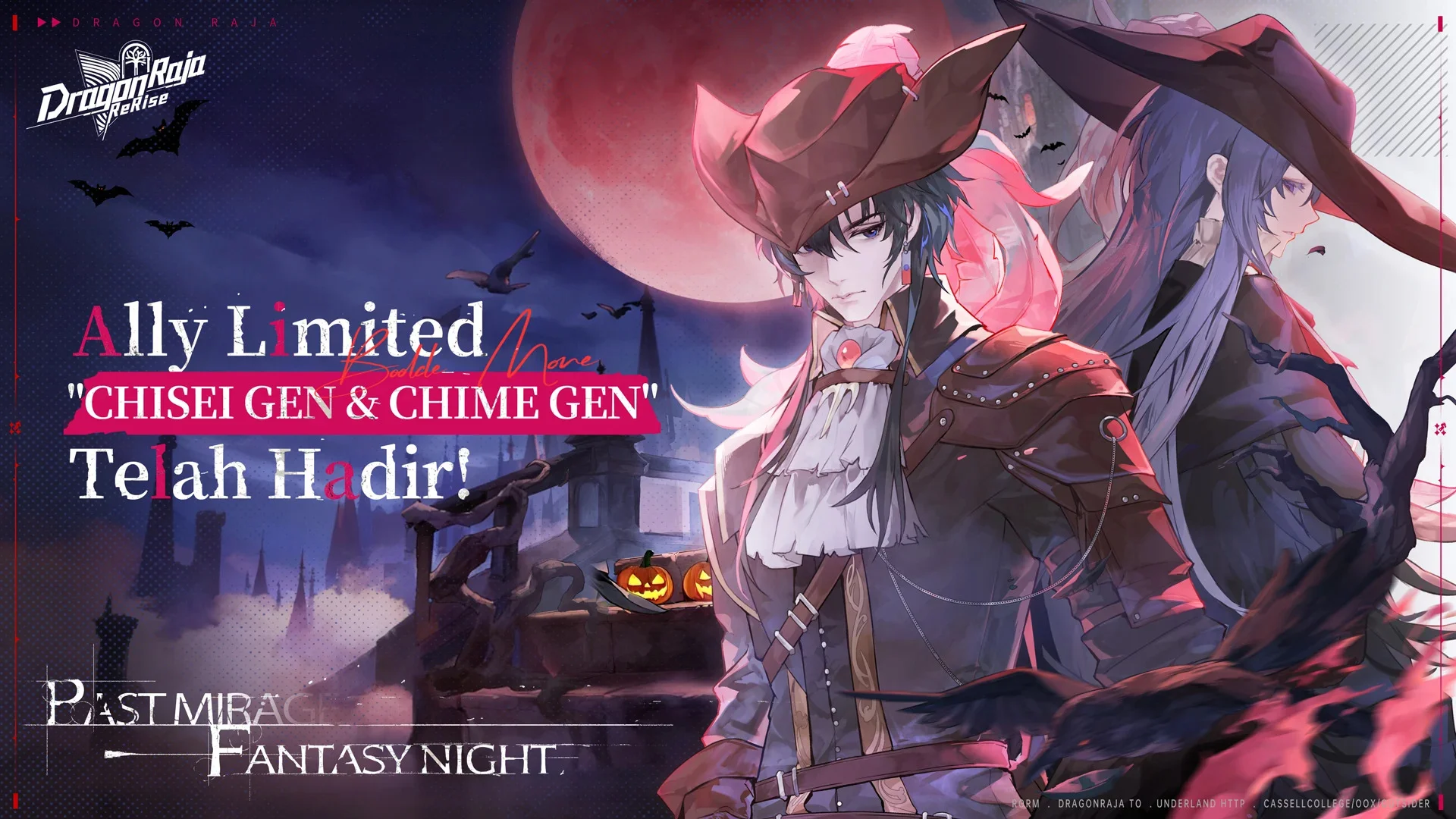
The mobile RPG Dragon Raja: ReRise has officially gone live on iOS and Android — the developers have opened servers, giving players full access to the game's launch content. After completing the pre-load phase, players can freely enter the game, progress through the story, and assemble their first squads of heroes.
Unlike many RPGs, Dragon Raja: ReRise doesn't focus on open world roaming or unrestricted exploration of large locations. Instead, the developers opted for a more linear progression structure. Combat revolves around turn-based encounters with automated team battles, where character selection, squad placement, and long-term team strengthening play key roles.
The core gameplay loop centers on missions, story episodes, and dialogue scenes. The narrative is presented in a visual novel format, placing stronger emphasis on characters and the development of events rather than free-roaming map exploration. This approach brings the project closer to story-driven mobile RPGs built around progression and collecting heroes.
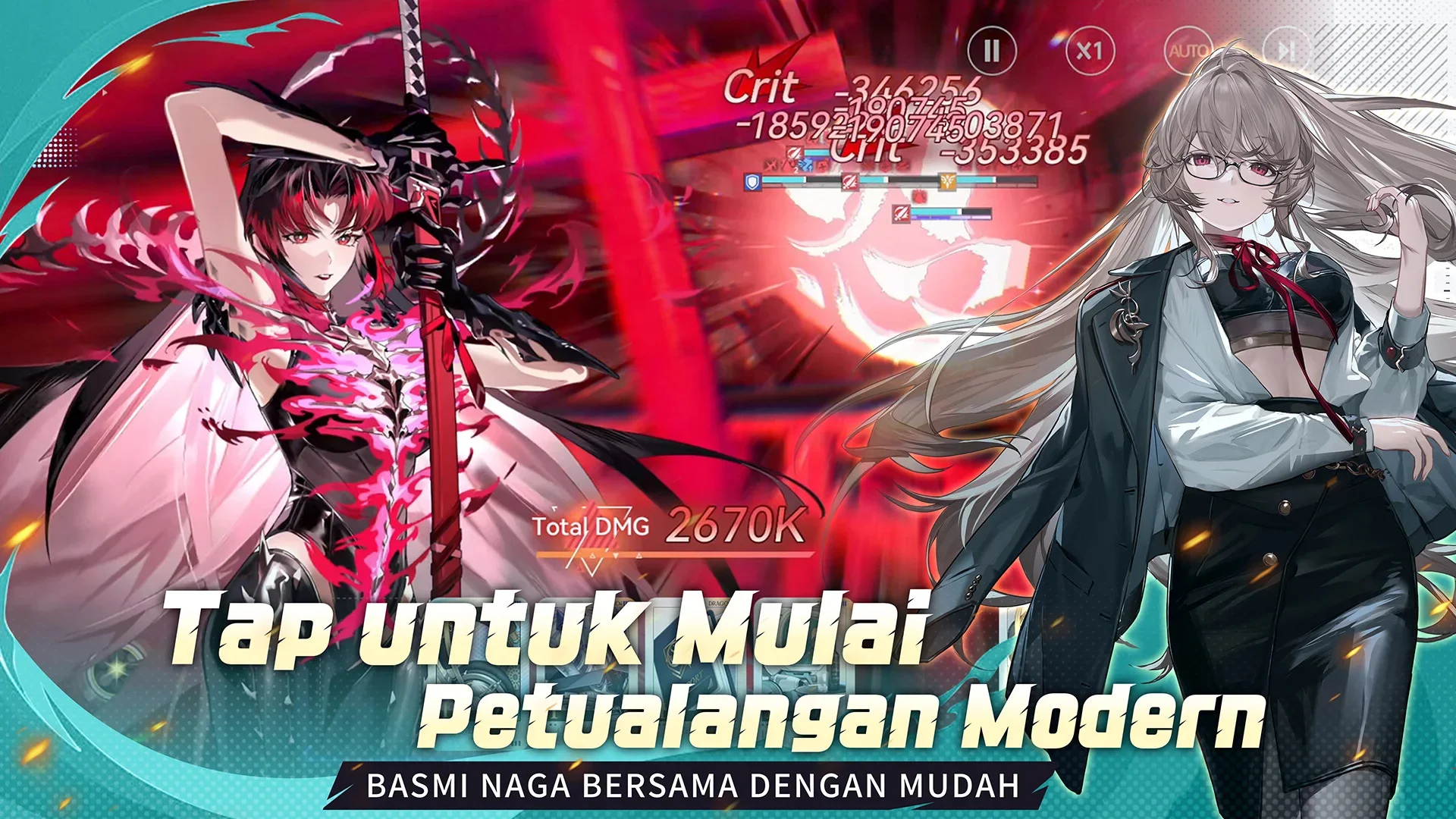
One of the central mechanics is the gacha system. Players can obtain new fighters of varying rarity through special banners, strengthening their team. The summoning sequences stand out in particular, featuring spectacular and stylistically sophisticated visual presentation designed to make each pull feel rewarding.
The leveling system follows a familiar pattern. Heroes level up, complete breakthroughs to increase their maximum level cap, and duplicate characters are used to improve rarity and star rating. This makes the development process recognizable to an audience familiar with modern collectible RPGs.
At the project's launch, players were given access to several game modes. These include a story campaign, a training arena, the newly introduced Nibelungen mode, limited-access, temporary activities, and a club system that facilitates social interaction and community play.
Unlike many RPGs, Dragon Raja: ReRise doesn't focus on open world roaming or unrestricted exploration of large locations. Instead, the developers opted for a more linear progression structure. Combat revolves around turn-based encounters with automated team battles, where character selection, squad placement, and long-term team strengthening play key roles.
The core gameplay loop centers on missions, story episodes, and dialogue scenes. The narrative is presented in a visual novel format, placing stronger emphasis on characters and the development of events rather than free-roaming map exploration. This approach brings the project closer to story-driven mobile RPGs built around progression and collecting heroes.
One of the central mechanics is the gacha system. Players can obtain new fighters of varying rarity through special banners, strengthening their team. The summoning sequences stand out in particular, featuring spectacular and stylistically sophisticated visual presentation designed to make each pull feel rewarding.
The leveling system follows a familiar pattern. Heroes level up, complete breakthroughs to increase their maximum level cap, and duplicate characters are used to improve rarity and star rating. This makes the development process recognizable to an audience familiar with modern collectible RPGs.
At the project's launch, players were given access to several game modes. These include a story campaign, a training arena, the newly introduced Nibelungen mode, limited-access, temporary activities, and a club system that facilitates social interaction and community play.
Comments: 0